A home battery does one simple thing: it moves cheap or free electricity to the moment you actually need it. Whether that is worth the investment comes down to how much you use, when you use it, and what tariff you are on. This guide covers sizing, coupling, backup, retrofits and realistic savings.
Two ways a battery makes money
The first is solar self-consumption: instead of exporting a surplus at a low rate and buying it back later at a high one, you store it. That roughly doubles the proportion of your generation you actually use.
The second — increasingly the bigger one — is tariff arbitrage. On a time-of-use import tariff you fill the battery overnight at the off-peak rate and run the house from it through the expensive part of the day. That works in December as well as June, which is exactly when solar alone does not.
Combine the two and a battery earns all year: solar-fed in summer, grid-fed in winter, with the control software choosing whichever is cheaper.
Sizing: usable capacity, not headline capacity
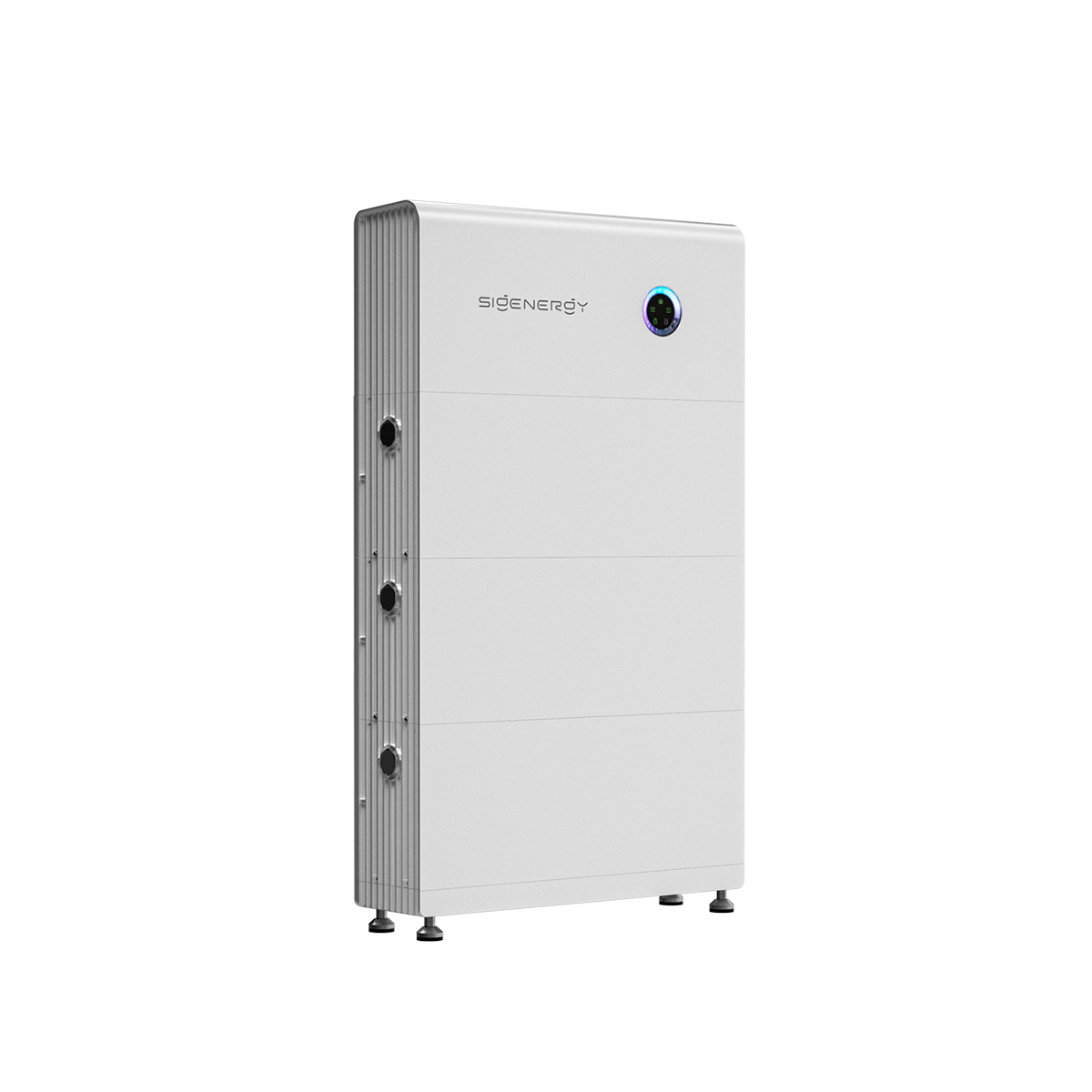
Quote sheets mix nominal and usable capacity. Compare usable kWh, the continuous discharge rating in kW, and the round-trip efficiency — a battery that cannot discharge fast enough to run an oven and a kettle together will still draw from the grid at peak.
As a rule of thumb, size to your evening and overnight consumption. Take your annual kWh, divide by 365, and assume roughly half falls outside daylight.
| Spec | Why it matters | Sensible range |
|---|---|---|
| Usable capacity | The number that does the work | 5–15 kWh |
| Continuous output | Whether it covers peak household load | 3.5–7 kW |
| Round-trip efficiency | Losses on every stored unit | 88–95% |
| Warranty | Years and throughput/cycles | 10 years typical |
| Depth of discharge | How much you can actually use | 90%+ |
AC or DC coupled
DC-coupled batteries sit on the solar side of a hybrid inverter. Slightly more efficient for storing your own generation, and the neatest choice when solar and battery go in together.
AC-coupled batteries have their own inverter and connect to the consumer unit. Marginally less efficient for solar charging, but they retrofit to almost any existing array without touching the original inverter, and they charge happily from the grid on a cheap tariff.
For a retrofit to an existing system, AC coupling is nearly always the right answer.

Backup power in a cut
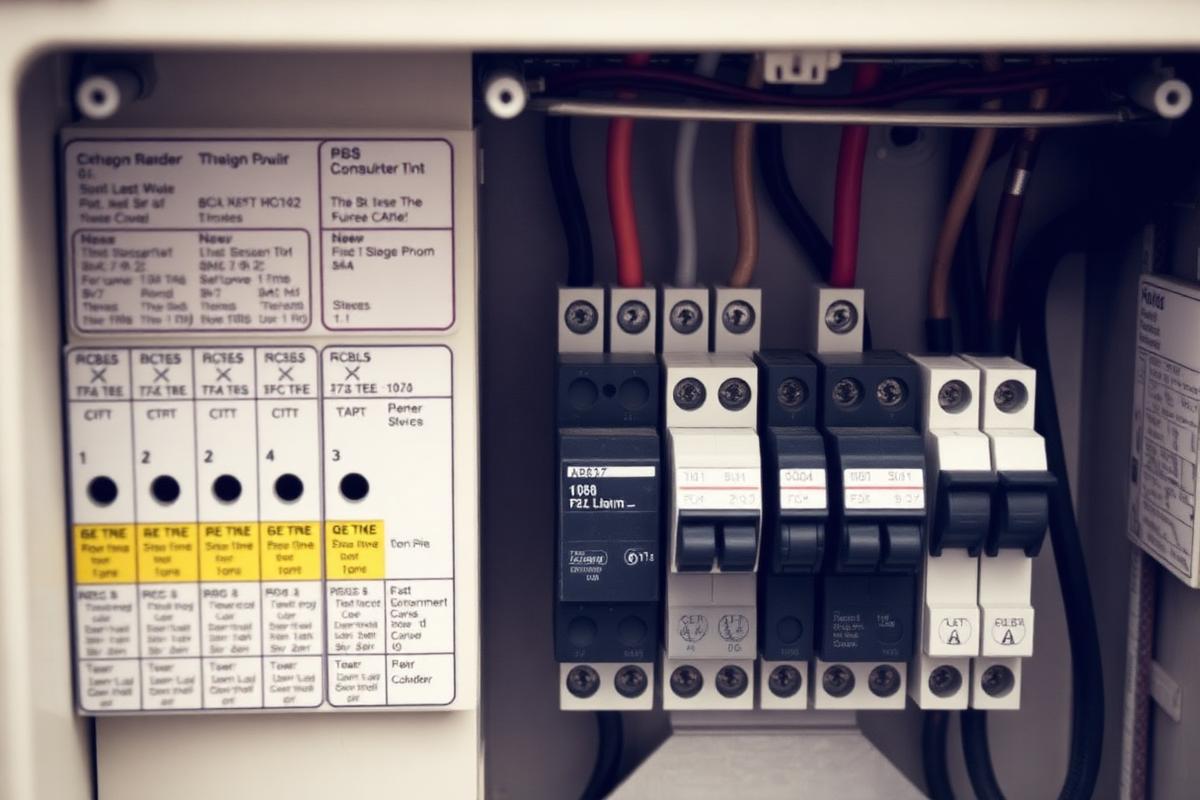
A standard grid-tied battery shuts down in a power cut, because feeding an isolated section of network is dangerous. Backup requires a battery specified for it plus a changeover arrangement and a dedicated backup circuit board.
Decide early what you want to keep running — usually lighting, the boiler or heat pump controls, the fridge and a few sockets — because it changes the wiring, not just the battery choice. Whole-house backup is possible but costs considerably more.
Get a battery sized to your actual consumption, with a fixed installed price.
Where it goes
Batteries need a dry, ventilated location within a sensible temperature range, with clearances to combustibles and access for maintenance. Garages, utility rooms and plant cupboards are typical; loft installations are usually a poor idea because of summer temperatures.
Some units are rated for outdoor mounting, which frees up internal space but performs slightly less well in a cold winter. We will show you the options at survey.
In short
- Dry, ventilated, frost-free and out of direct sun
- Clearance to combustible materials per the manufacturer
- Close enough to the consumer unit to keep cable runs short
- Accessible for isolation and future servicing
What a battery costs in 2026
A retrofit AC-coupled battery starts at around £3,400 installed for 5 kWh, rising with capacity. Domestic battery storage is currently zero-rated for VAT, including retrofits to existing solar.
Payback depends far more on your tariff than on the hardware. A household on a flat rate with low evening use may take well over a decade; one on a time-of-use tariff with an EV often sees a materially shorter return.
| Capacity | Guide price | Suits |
|---|---|---|
| 5 kWh | from £3,400 | Smaller homes, modest evening use |
| 10 kWh | from £5,200 | Family home, some EV charging |
| 15 kWh+ | from £7,400 | EV plus heat pump, or backup requirement |
The paperwork
Battery installations are notified to the distribution network operator under the same engineering recommendation as solar, either as a connect-and-notify or an application in advance depending on total inverter capacity.
You should receive the electrical certificate, the commissioning record, the DNO notification and the manufacturer warranty registration. If a quote does not mention DNO notification, ask why.
Common questions
- How long do home batteries last?
- Most lithium iron phosphate batteries are warranted for ten years and a stated throughput, and typically retain around 70 to 80 percent of capacity at the end of that period.
- Can I get a battery without solar panels?
- Yes. On a time-of-use tariff a grid-charged battery saves money on its own, and it can be paired with solar later.
- Will a battery keep my house running in a power cut?
- Only if it is specified for backup with the correct changeover and a dedicated backup circuit. Standard installations disconnect for safety.
- Is battery storage zero-rated for VAT?
- Domestic battery storage is currently zero-rated, including batteries retrofitted to an existing solar system.
- How big a battery do I need for an EV?
- Charge the car from the grid on an off-peak tariff rather than from the battery — a home battery is far too small to fill a car. Size the battery for the house, not the vehicle.
Written by the Ridgeway team
The people who survey and install, in Henley-on-Thames