Most serious electrical faults give warning first. Knowing what to look for — and how often an installation should be properly tested — prevents the majority of the problems we are called out to.
How often should an installation be tested?
An Electrical Installation Condition Report (EICR) is recommended every ten years for an owner-occupied home, every five years for a rented property, and at every change of occupancy.
For rented homes in England this is a legal duty: landlords must hold a satisfactory report and supply a copy to tenants.
Warning signs worth acting on
None of these are things to live with. If any appear, stop using the affected circuit and get it looked at.
In short
- A breaker or RCD that trips repeatedly
- Scorch marks, discolouration or a burning smell at sockets or switches
- Warm faceplates, or sockets that feel loose when you plug in
- Lights that dim or flicker when appliances start
- A rewireable fuse box with no RCD protection
RCD protection is the single biggest upgrade
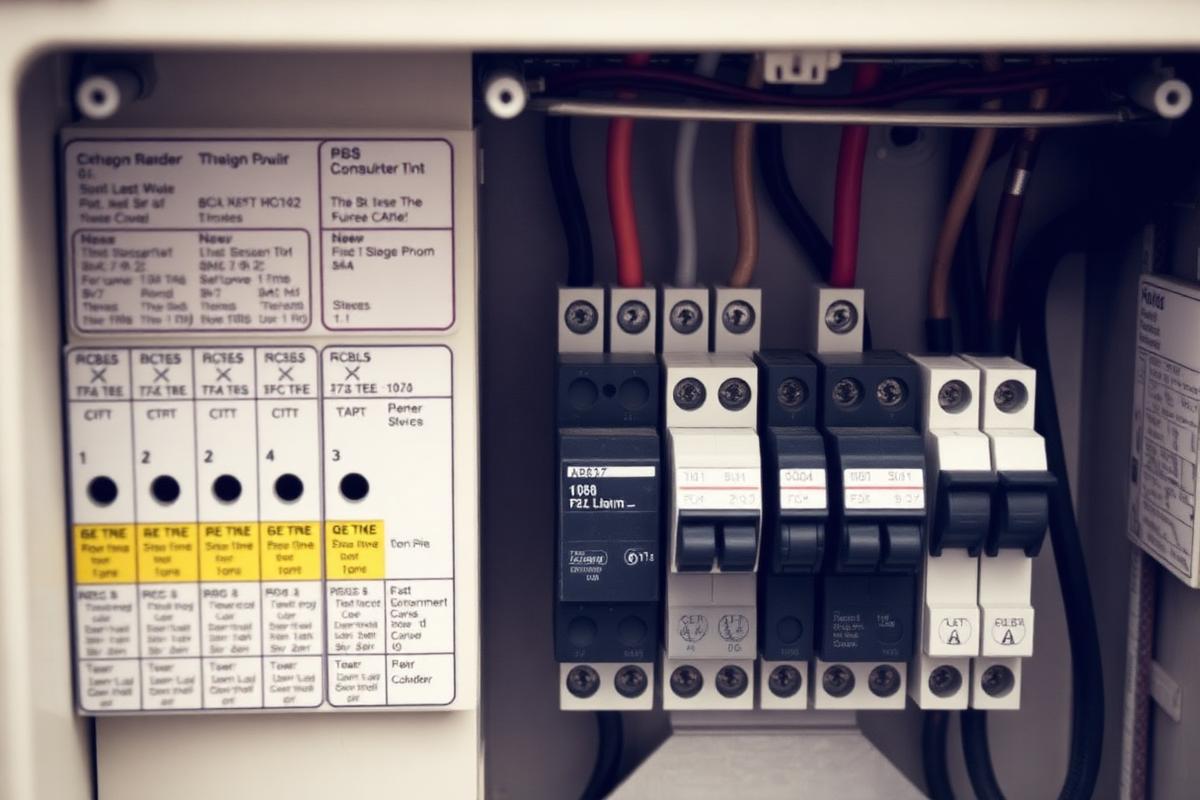
An RCD disconnects the supply in around 30 milliseconds when current leaks to earth — the difference between a shock and an electrocution. Modern consumer units provide RCBO protection per circuit, so one fault does not take out the whole house.
If your board still has rewireable fuses or a single RCD covering everything, that is the upgrade we would prioritise before anything cosmetic.
Book an EICR or a callout with a fixed price agreed up front.
What we do on a visit
We test insulation resistance, earth fault loop impedance, RCD operation and polarity on every circuit, record the results, and code any issues C1 to C3 so you can see clearly what is dangerous, what is potentially dangerous and what is merely improvable.
Common questions
- How much does an EICR cost?
- For a typical three-bedroom home we start at £95 for a half-day visit; larger properties and commercial premises are quoted after a short conversation about circuit count.
- Is a landlord EICR a legal requirement?
- Yes. Private landlords in England must have the installation inspected at least every five years and provide the report to tenants and, on request, the local authority.
- Do I have to fix everything on the report?
- C1 and C2 codes must be remedied for a satisfactory report. C3 items are improvement recommendations, not failures.
Written by the Ridgeway team
The people who survey and install, in Henley-on-Thames