Charge points look interchangeable on a comparison page and behave very differently in a driveway. After hundreds of installations across Oxfordshire, Berkshire, Buckinghamshire and Surrey, these are the features that actually change how a charger lives with you — and the ones that only matter in the brochure.
Tethered or untethered
Tethered means the cable is fixed to the unit: plug in, walk away, no cable to fetch from the boot. It is the more pleasant daily experience for a one-car household that keeps the same vehicle for years.
Untethered means a socket. You bring your own cable, which is marginally more faff but means any vehicle can use it, the unit is smaller and tidier on the wall, and a damaged cable is replaced for a fraction of the cost of a service call.
If you are unsure, untethered is the safer long-term choice — it survives a change of car, a visiting relative's EV and a future move to a longer cable.
Power: why 7kW is almost always right
Domestic supplies in this region are overwhelmingly single-phase, which caps you at around 7.4kW. That adds 25–30 miles of range per hour, so a typical overnight window puts back far more than most people drive in a day.
22kW requires three-phase. Where a property already has it — some conversions, farms and larger rural homes do — it is worth specifying, but check the car first: many EVs accept only 11kW on AC, so the extra capacity sits unused.
The features that genuinely matter
Beyond power and cable, a handful of features change the ownership experience. These are the ones we ask customers about at survey, in order of how often they matter.
In short
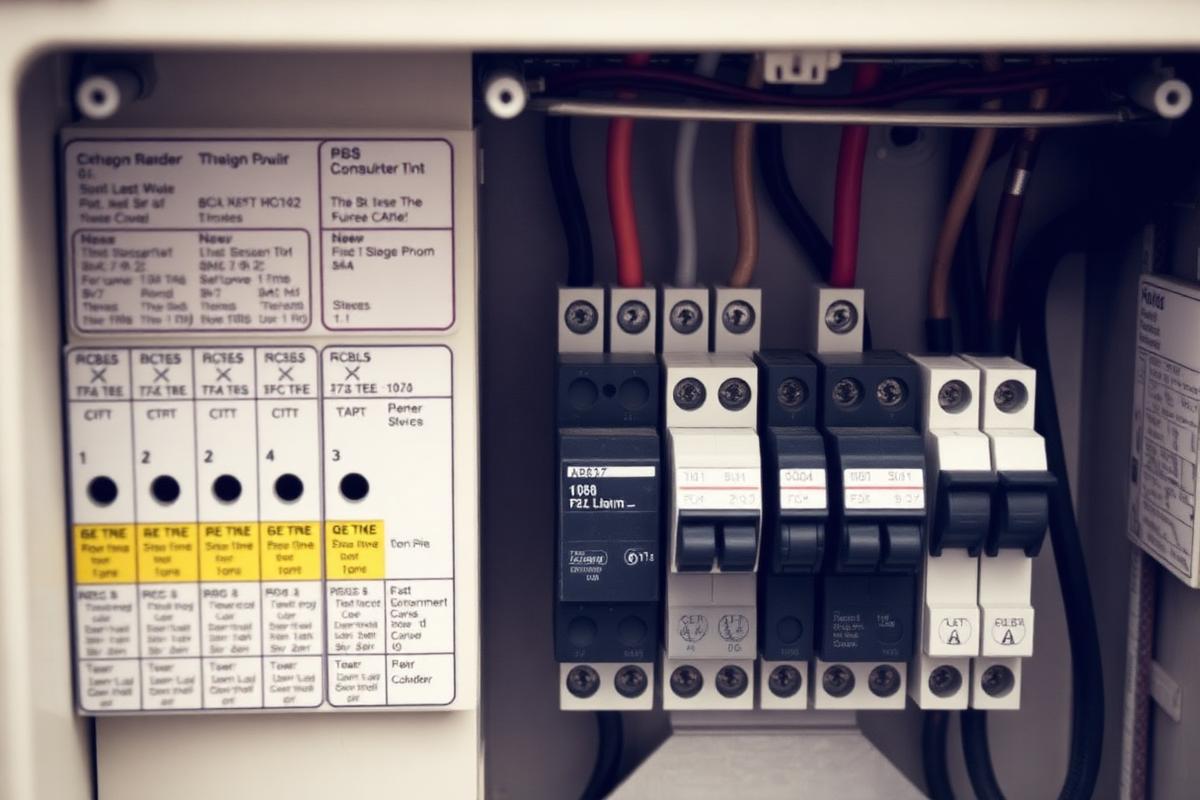
- Integrated open-PEN protection — avoids the cost and clutter of an external earth rod on a PME supply
- Load management (CT clamp) — essential on 60A/80A supplies, cheap to include from the start
- Solar surplus matching — only useful if you have or will have PV, and must be specified up front
- Scheduling that survives an app outage — the unit should hold its charge window locally
- Ethernet as well as Wi-Fi — driveways and detached garages are the worst place for a weak signal
- Replaceable cable or socket — repairability beats a sealed unit over ten years
App quality is the thing people complain about
Hardware failures are rare; frustrating apps are not. Before choosing, read recent reviews of the manufacturer's app rather than the charger itself, and check whether scheduling, tariff integration and multi-user access are included or behind a subscription.
Also check the unit works as a plain charger with no internet at all. Any charger that becomes a paperweight when the router goes down is the wrong charger.
Talk through charger options for your driveway and get a fixed installed price.
Warranties, support and who you actually call
Most reputable units carry a three-year warranty, some five when registered and installed by an approved installer. Read who administers it: a manufacturer that sends an engineer is worth more than one that ships you a part.
We register every unit we install and handle warranty claims on your behalf for the first year, because chasing a manufacturer is not what you paid us for.
The units we fit and why
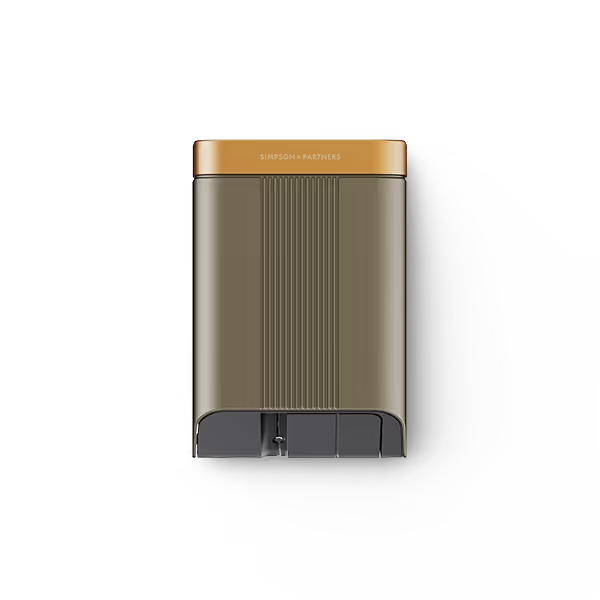
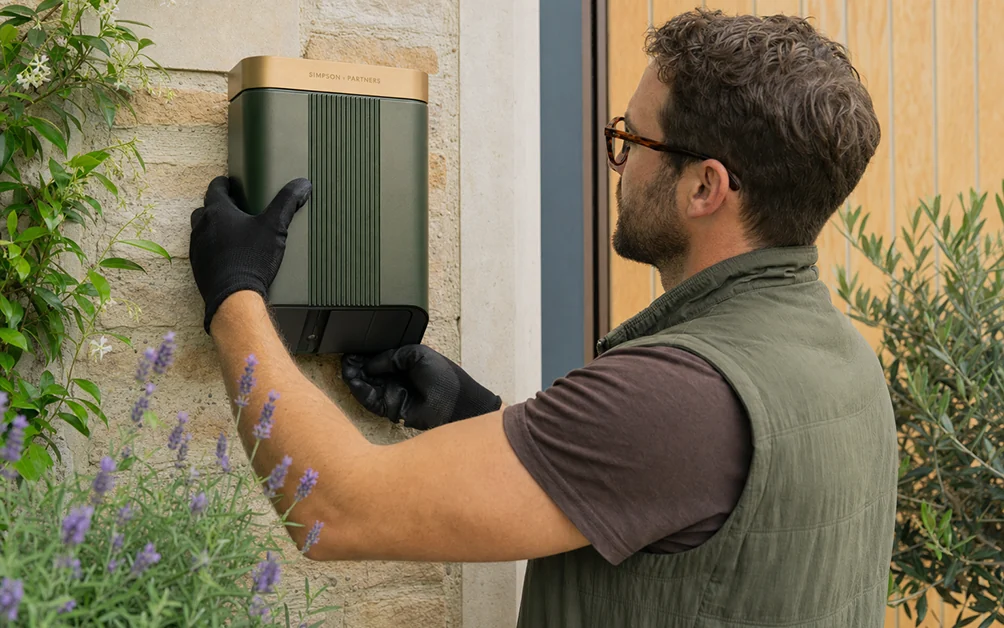
We install Simpson & Partners, VCHRGD and Nexblue charge points as standard. All three are smart-regulation compliant, include open-PEN protection, support load management and have apps we are happy to support. Individual pages on this site set out the specification of each.
If you have a specific brand in mind we will fit it where it meets the same standard — and tell you honestly if it does not.
Common questions
- Is a tethered or untethered charger better?
- Untethered is more flexible and easier to repair; tethered is more convenient day to day for a single-car household. Neither costs meaningfully more to install.
- Do I need a charger with solar matching?
- Only if you have solar PV or plan to. It diverts surplus generation into the car instead of exporting it, but it must be specified at purchase rather than added later.
- Can two cars share one home charger?
- Yes, sequentially. An untethered unit suits two vehicles best, and most apps let you schedule and report per user.
- Do home chargers need servicing?
- No routine service, but the protective devices and RCD operation should be checked as part of your periodic inspection, and the cable and enclosure inspected for damage annually.
Written by the Ridgeway team
The people who survey and install, in Henley-on-Thames